Aquatic Connectivity
What are the ozarks?
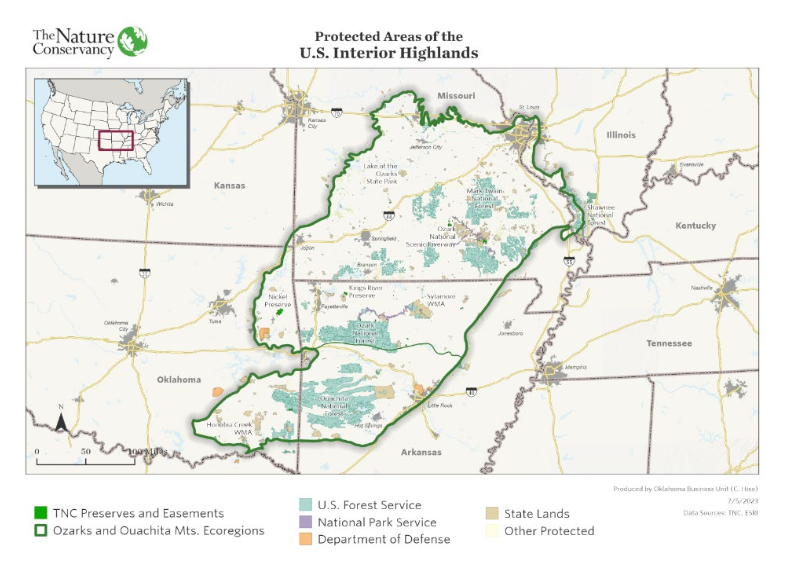
The Interior Highlands is a critical focal geography for delivering freshwater outcomes that address biodiversity loss within the Great Plains Division.
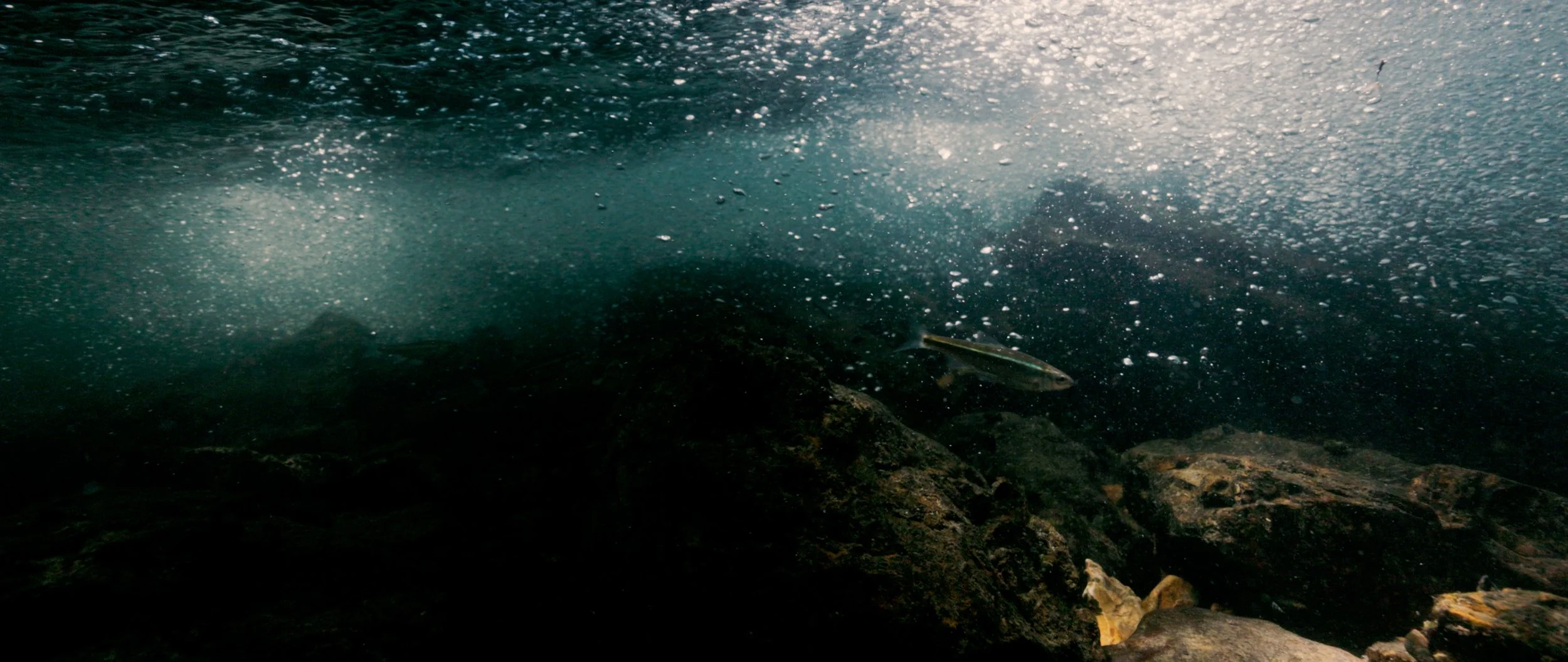
The Interior Highlands is a critical focal geography for delivering freshwater outcomes that addressbiodiversity loss within the Great Plains Division. The Interior Highlands is a hotspot of global biological diversity, with more than 200 species found nowhere else in the world. In addition to being a critically important flyway and breeding grounds for neotropical and waterbird migration, the Interior Highlands contain the largest expanse of open woodland glade communities in North America. Abundant groundwater and extensive karst geologic features give rise to the three largest single-conduit springs in the United States and support a host of cave fauna, many of which remain undescribed by science. Interior Highland rivers and streams provide habitat for a rich diversity of aquatic species, including at least 190 native fish species, representing 51 percent of the native freshwater fishes of the entire Mississippi River Basin and 18 percent of all native freshwater fishes of North America. The Interior Highlands have a high level of endemicity: 23 fish species, 11 freshwater mussels, and 37 endemic crayfish. Headwater streams, springs and rivers of the Interior Highlands also harbor a richness of aquatic insect species representing around 15 percent of all stoneflies and 17 percent of all caddisflies found in North America. Threats to this landscape include climate change, wetland drainage, dam and diversion construction, and habitat degradation and fragmentation from urbanization, development and agricultural land conversion. TNC staff in Arkansas, Missouri and Oklahoma will address these threats though a common and collective set of goals and conservation objectives.
Ecological Impact
Impacts on the Community